Water Hygiene in Care Homes,
protecting residents

Older people and residents with chronic pre-existing conditions are among the main risk groups for Legionnaires' disease. At the same time, rooms often stand empty for weeks after a move-out, so the longest stagnation hits precisely the most vulnerable residents.

Why it matters in care homes
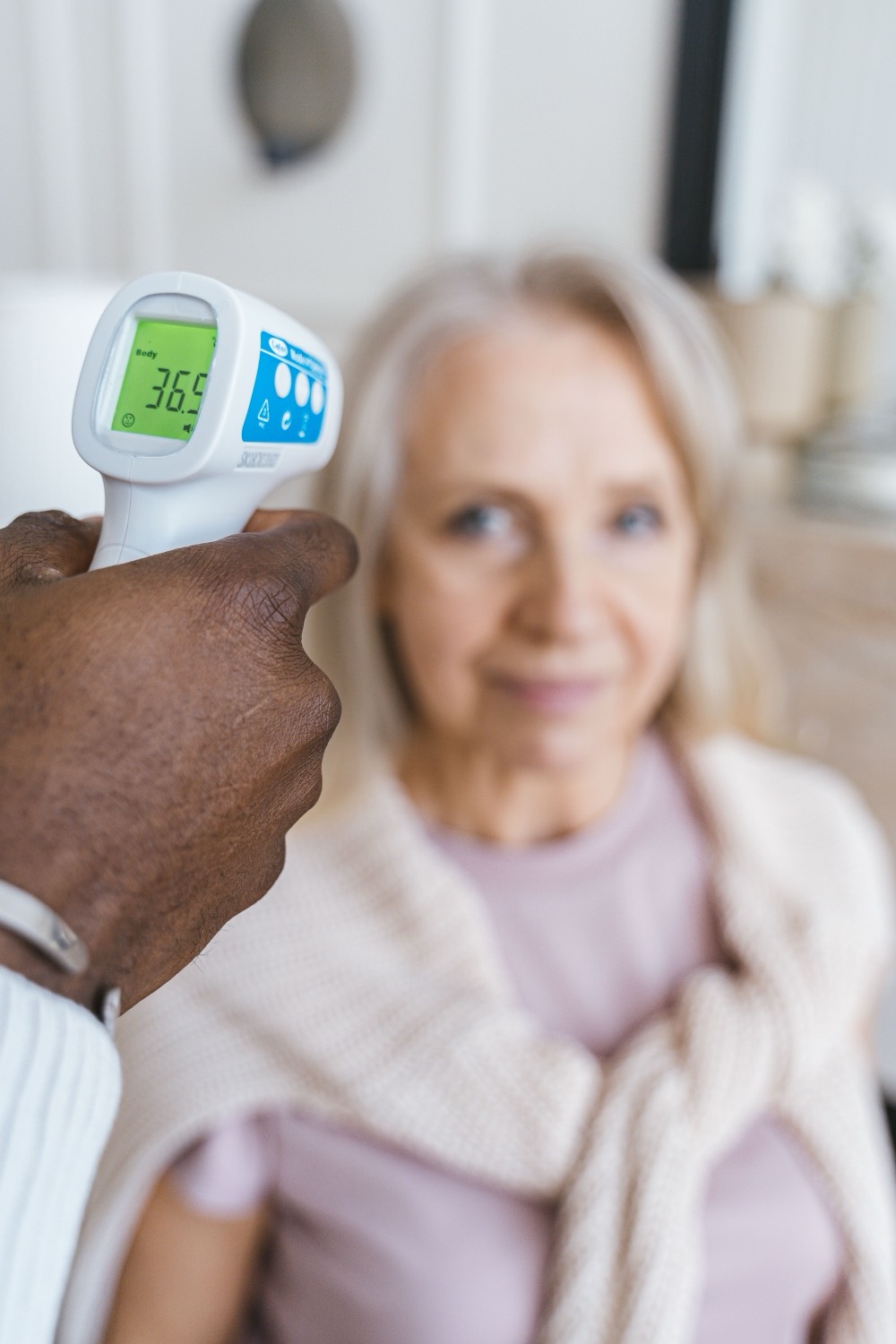
Older resident in a care home

Vulnerable residents

For these residents, Legionnaires' disease is far more dangerous.
Several factors add up at the same time:

  • Older age
  • Diabetes
  • Chronic lung disease
  • Immunosuppression

Vacancy after move-out

Rooms often stand empty for weeks after a move-out. That is exactly where water stagnates longest, because these rooms drop out of the routine.

Operator liability

Responsibility lies with the facility. If someone falls ill, the public health authority checks whether the obligations were documented.

Operator obligations in care homes

Care facilities supply drinking water as part of a commercial activity and, as a rule, operate large-scale hot water systems with showers. This means the testing obligation under Section 31 TrinkwV applies in full.

How often Legionella testing is required →

Why residents are especially at risk

Age, diabetes, chronic lung disease or immunosuppressive therapy all raise the risk of a severe course sharply. In residents, Legionnaires' disease is also often spotted late, because its symptoms look like an ordinary pneumonia.

Symptoms and course of the illness →
In the residential area

Legionella prevention in care homes

In a care home, the danger hides in showers that are barely used, above all in rooms left empty after a resident moves out. Aqvior flushes them automatically and logs every flush, so Legionella prevention runs quietly in the background, with no extra work for the care staff.

Care in the residential area of the care home
Care in the residential area
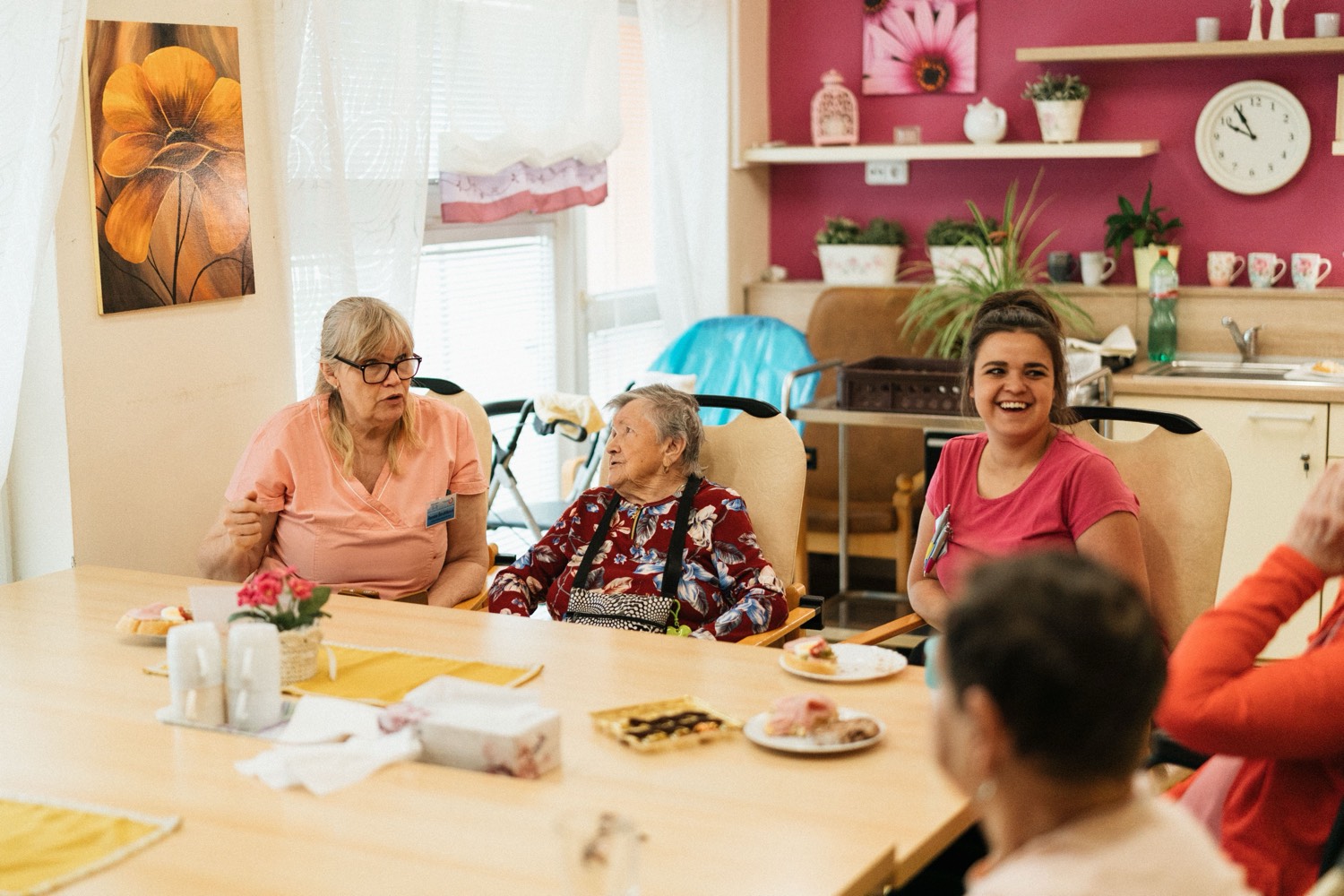
Residents and care staff in the communal area
Shared meals
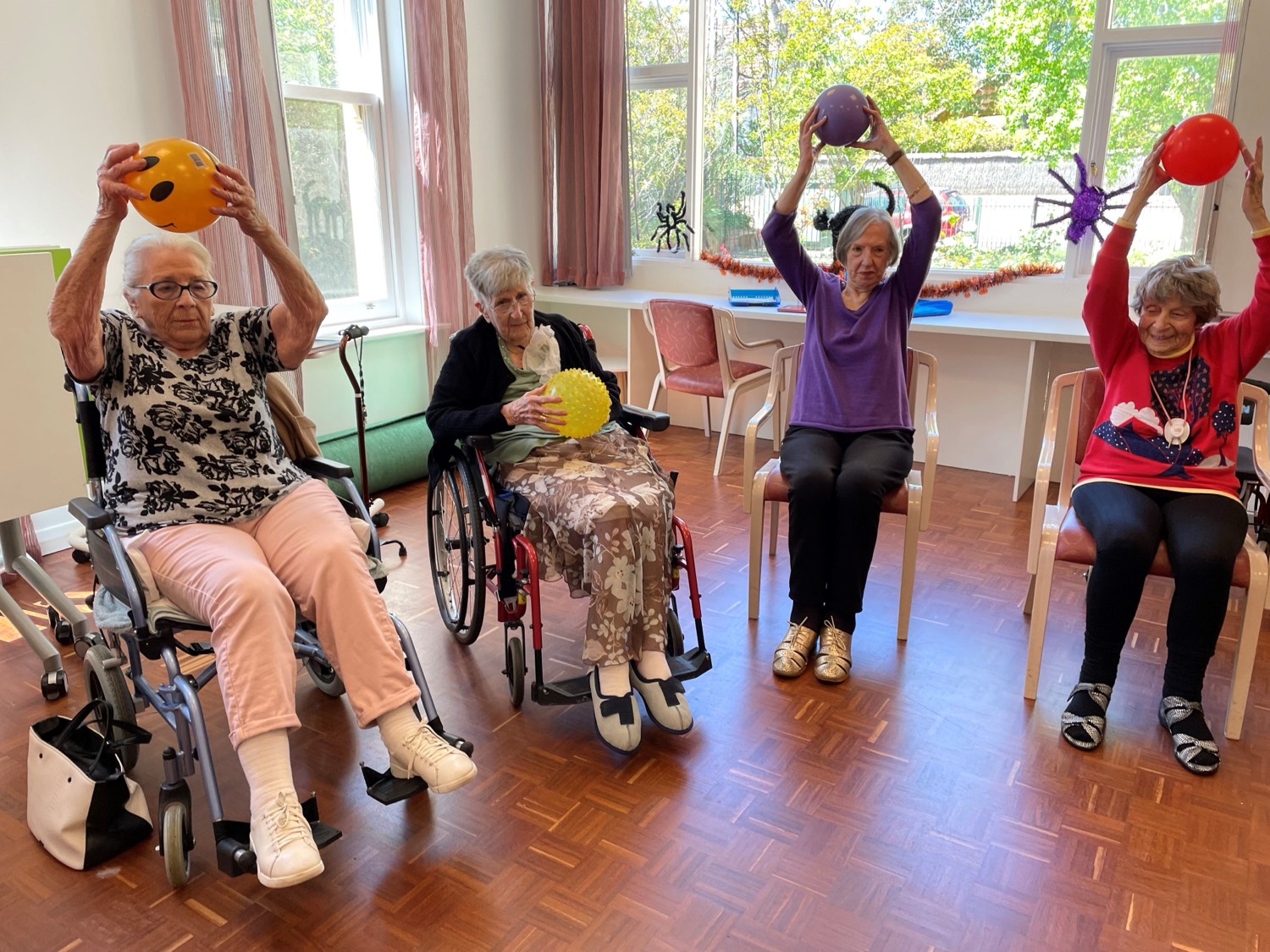
Residents during movement activation
Activation and movement
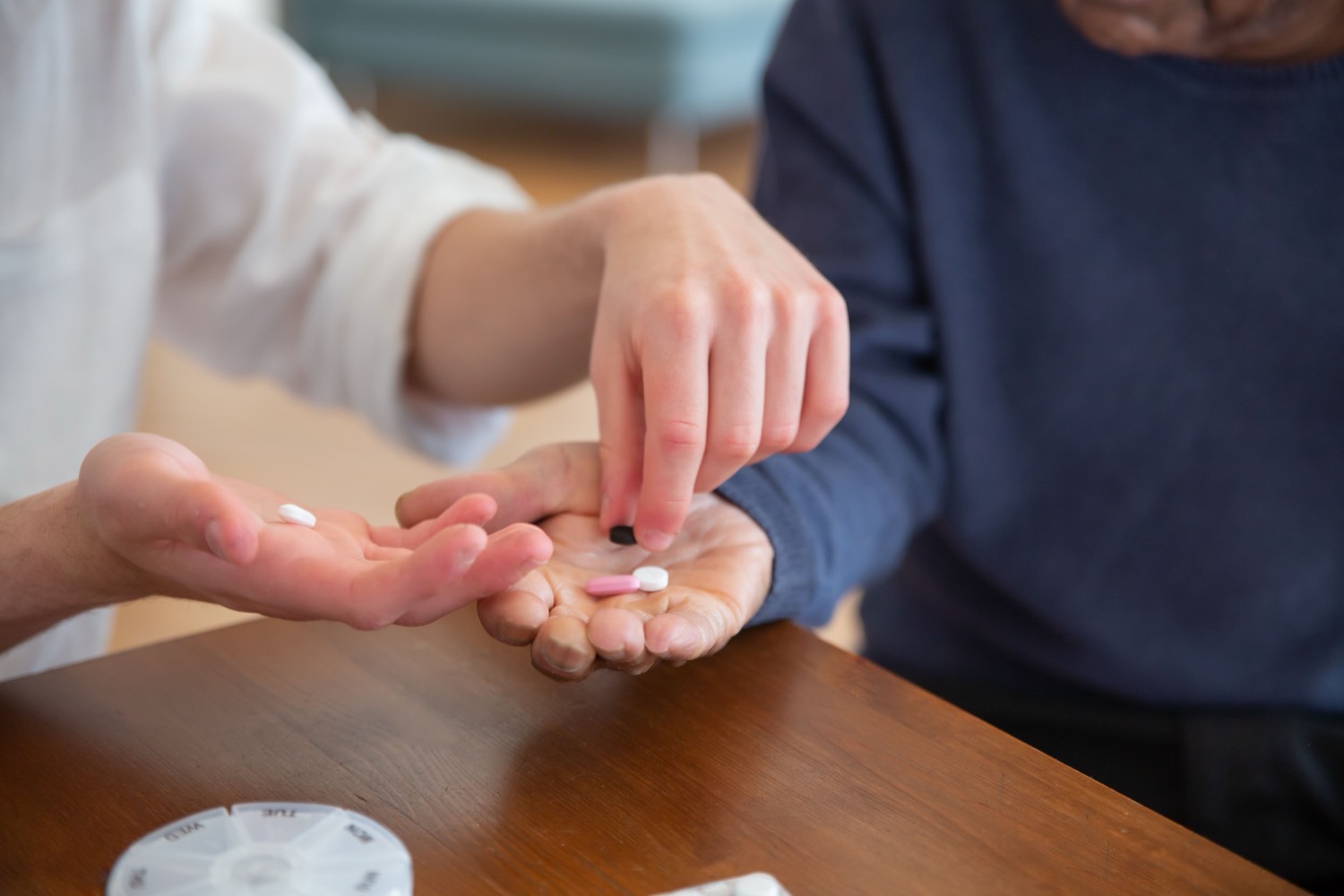
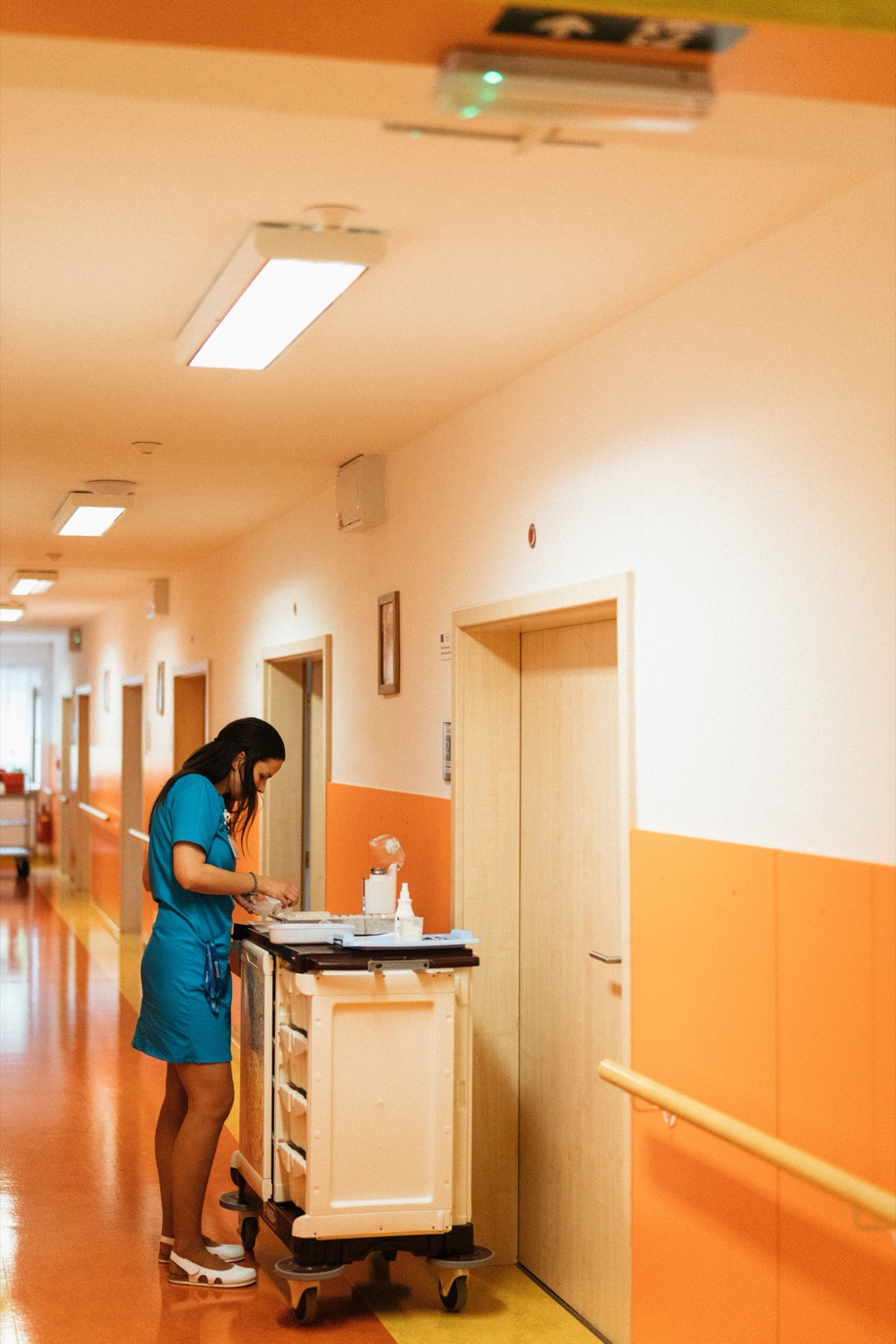
Medication being given in daily care
Giving medication
How it works

How Aqvior works in your care home

1

Detects

Detects vacant resident rooms, without anyone having to think about it or enter a room.

2

Flushes

After 72 hours it flushes on its own. It powers itself by turbine from the water flow, needs no power connection and no bathroom renovation.

3

Documents

Every flush lands in the dashboard with a timestamp. This takes pressure off the building services team and makes compliance demonstrable at any time.

Explore the product →
Frequently asked questions

What care-home operators often ask

What matters is not the size of the facility but the installation: a large-scale hot water system, showers that create aerosols and the supply of water as part of a commercial activity. If all three apply, there is a testing obligation.

A room that stands empty after a move-out must still be flushed regularly. In daily practice this is the thing most often overlooked, because the room drops out of the daily routine.

Responsibility lies with the operator of the drinking water installation, that is, the facility. If an illness is confirmed, the public health authority checks whether the operator obligations were met and documented.

No. It is mounted on the surface at the existing shower connection and takes under an hour. There is no construction noise and no tiles are damaged.

Pilot project

Water hygiene for your care home, test it free of charge

Aqvior automatically flushes vacant resident rooms and documents every flush in an audit-ready way.

Protection for your residents, entirely without renovation.

Request a pilot →