Hygiene flushing, TrinkwV and
Legionella prevention
Practical knowledge for operators and facility managers in hotels, hospitals and care homes.
The key topics
Legionella testing: how often is it required?
Intervals under TrinkwV, who is affected and what applies when the action level is exceeded.
How do Legionella develop? The basics
Temperature, stagnation and biofilm as causes, and which conditions encourage growth in drinking water.
Hygiene flushing: how long & how often to flush?
The 72-hour interval, temperature constancy and what applies after longer stagnation.
Pseudomonas in drinking water: risk in hospitals
Where the pathogen sits, why it is critical in hospitals and care homes and how it differs from Legionella.
Legionella: symptoms & infection
Legionnaires' disease and Pontiac fever compared, incubation period, risk groups and when medical advice is needed.
From the blog
Practical articles on hygiene flushing, compliance and drinking water hygiene.
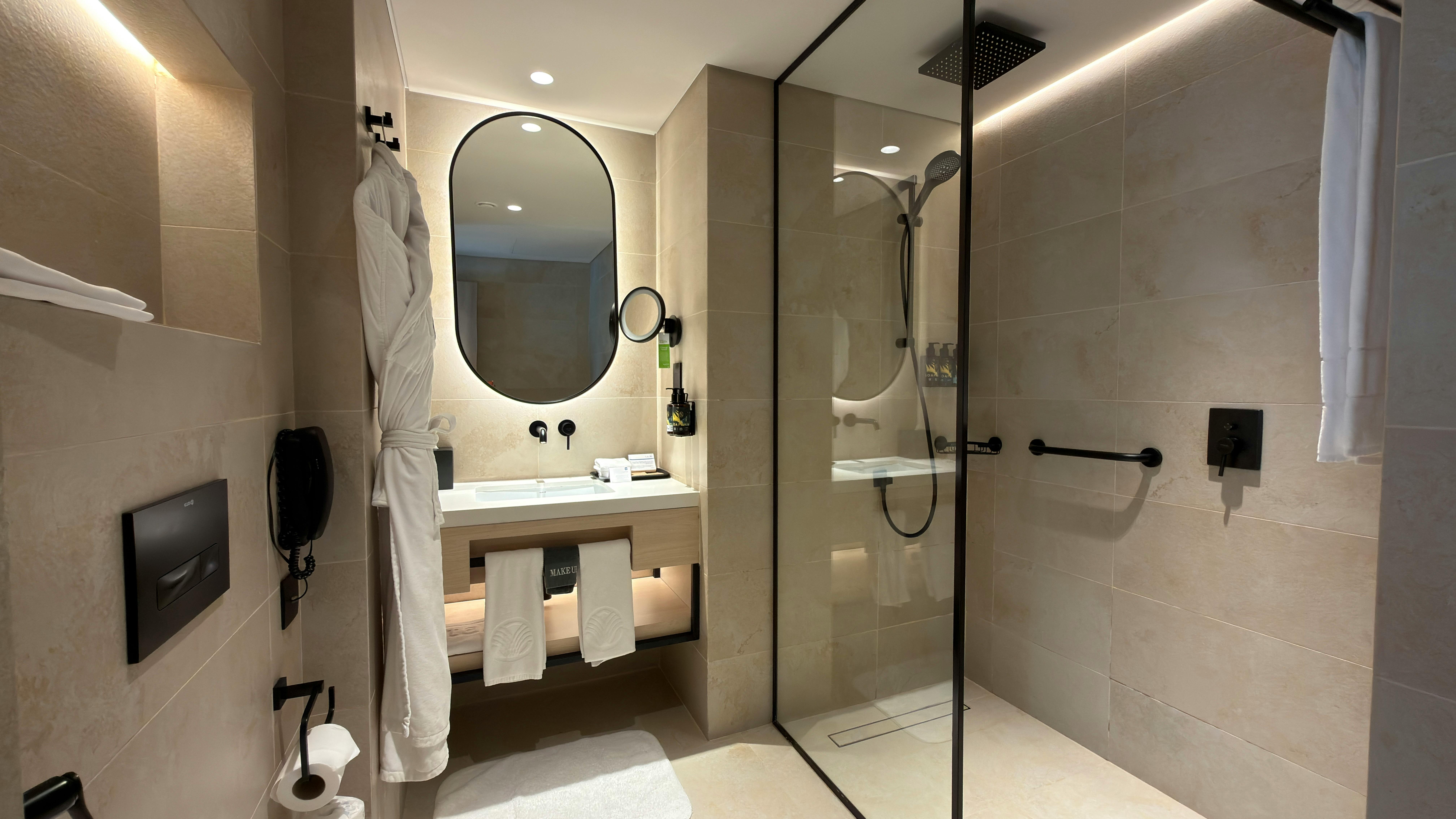
Trinkwasserverordnung im Hotelbetrieb
Operating a hotel means liability for drinking water quality. What the German Drinking Water Ordinance requires and how to stay inspection-ready.
Read more
Legionella in drinking water: what to do now
From 100 CFU/100 ml a fixed order applies, and it starts with notifying the public health authority, not with repairs.
Read more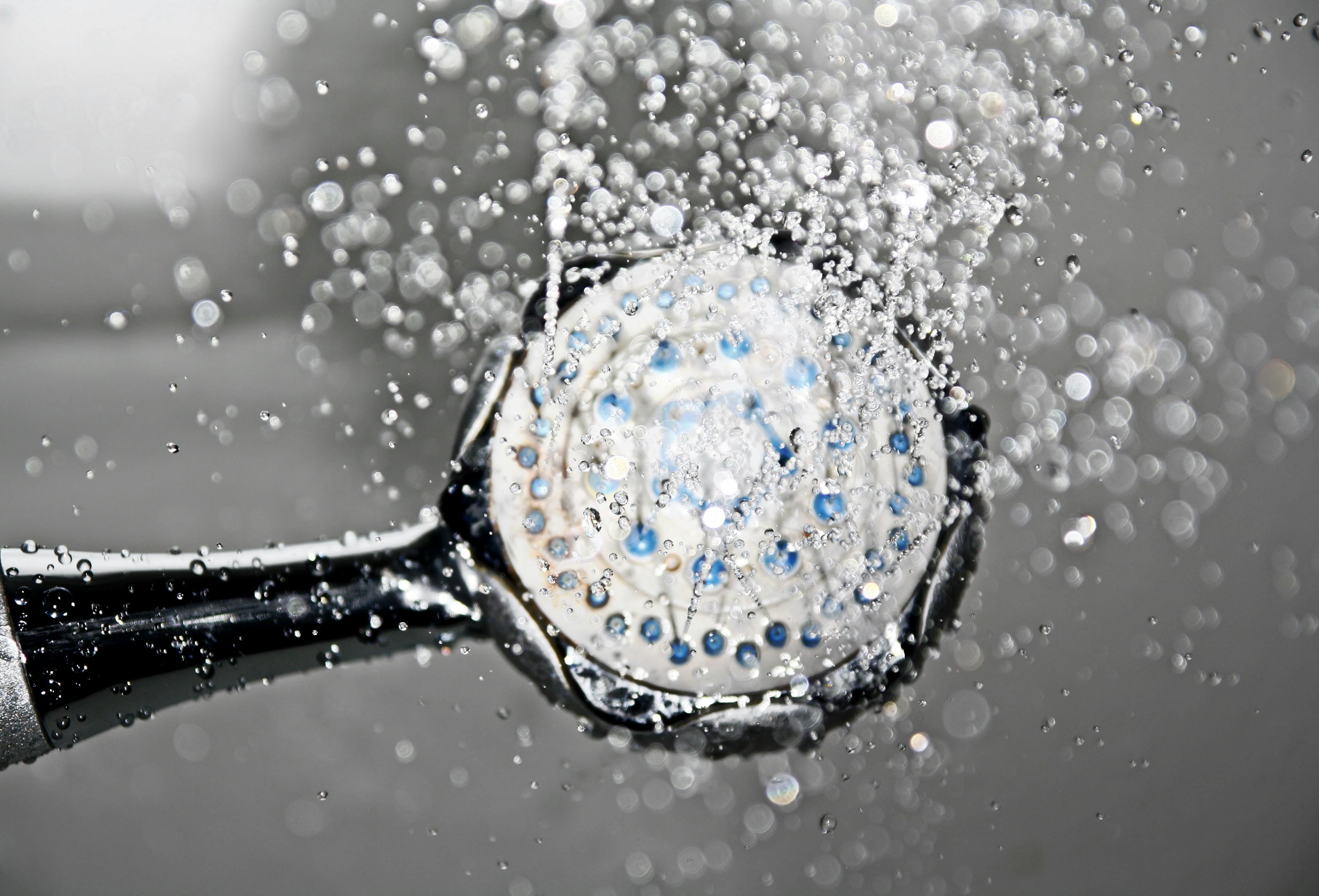
Legionella and showers: the critical point
Not every shower carries the risk. Which ones in your building really stand still, what the lab result does not say about the shower head, and how to keep the water moving anyway.
Read more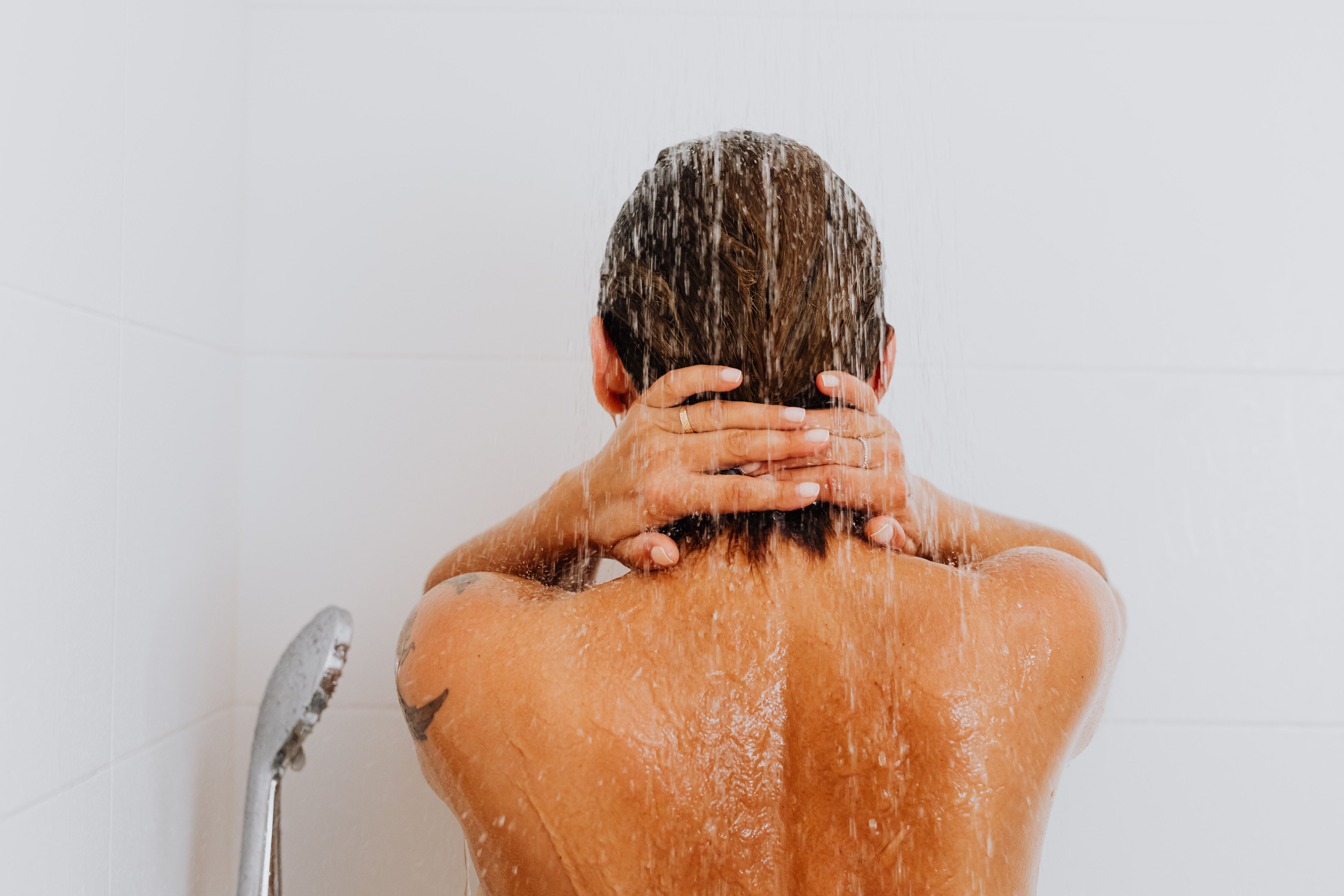
Flushing water pipes after a shutdown
A wing was closed for months, and tomorrow someone showers again. What each length of standstill calls for, where flushing by your own staff ends, and what ends up in the file.
Read more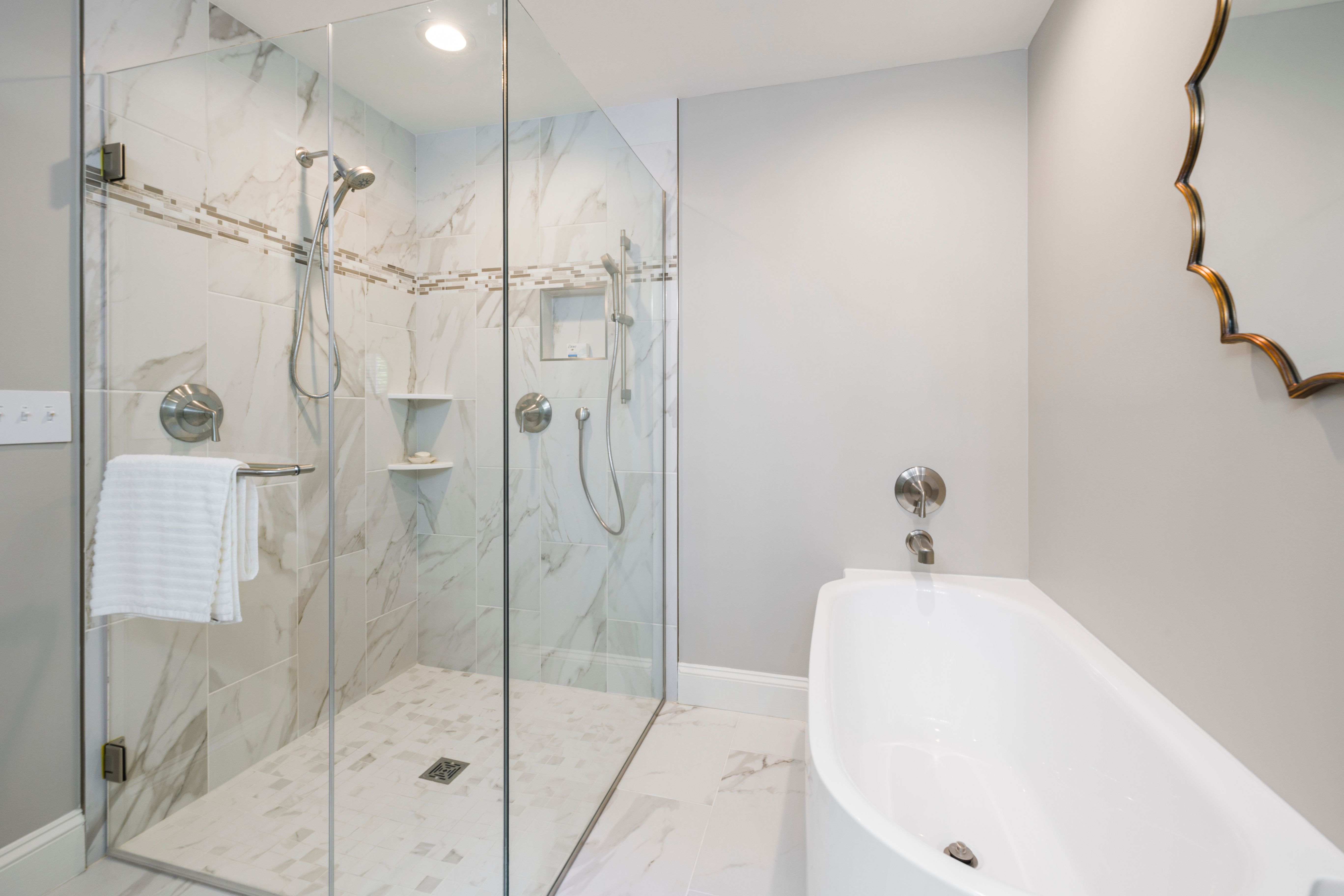
How Long Should Water Run During a Hygiene Flush?
How long should water run during a hygiene flush? What temperature constancy means in practice and why precision matters.
Read more
Every 72 hours. But from when?
When does the 72-hour window for Legionella flushing actually start? What the German standard requires and why it matters for hotel operations.
Read moreFor your facility
The requirements are the same everywhere; the effort differs by type of operation.
For hotels
Vacant rooms, fluctuating occupancy and the documentation requirement kept under control.
For hospitals
What matters in the clinic: Pseudomonas, short testing intervals, patient protection.
For care homes
Protection for vulnerable residents and a plan for rooms that stay empty for long periods.