
Water Hygiene in Hospitals,
protecting patients

In a hospital, stagnant water meets the most vulnerable people. What is a matter of compliance evidence in a hotel is a patient risk here. Healthcare-associated infections caused by Legionella and Pseudomonas often trace back to the drinking water system.

Why it matters in hospitals

Immunosuppressed patients

In patients with pre-existing conditions, Legionnaires' disease runs a far more severe course. Where water stagnates, the highest risk meets the most vulnerable people.

Pseudomonas & biofilm

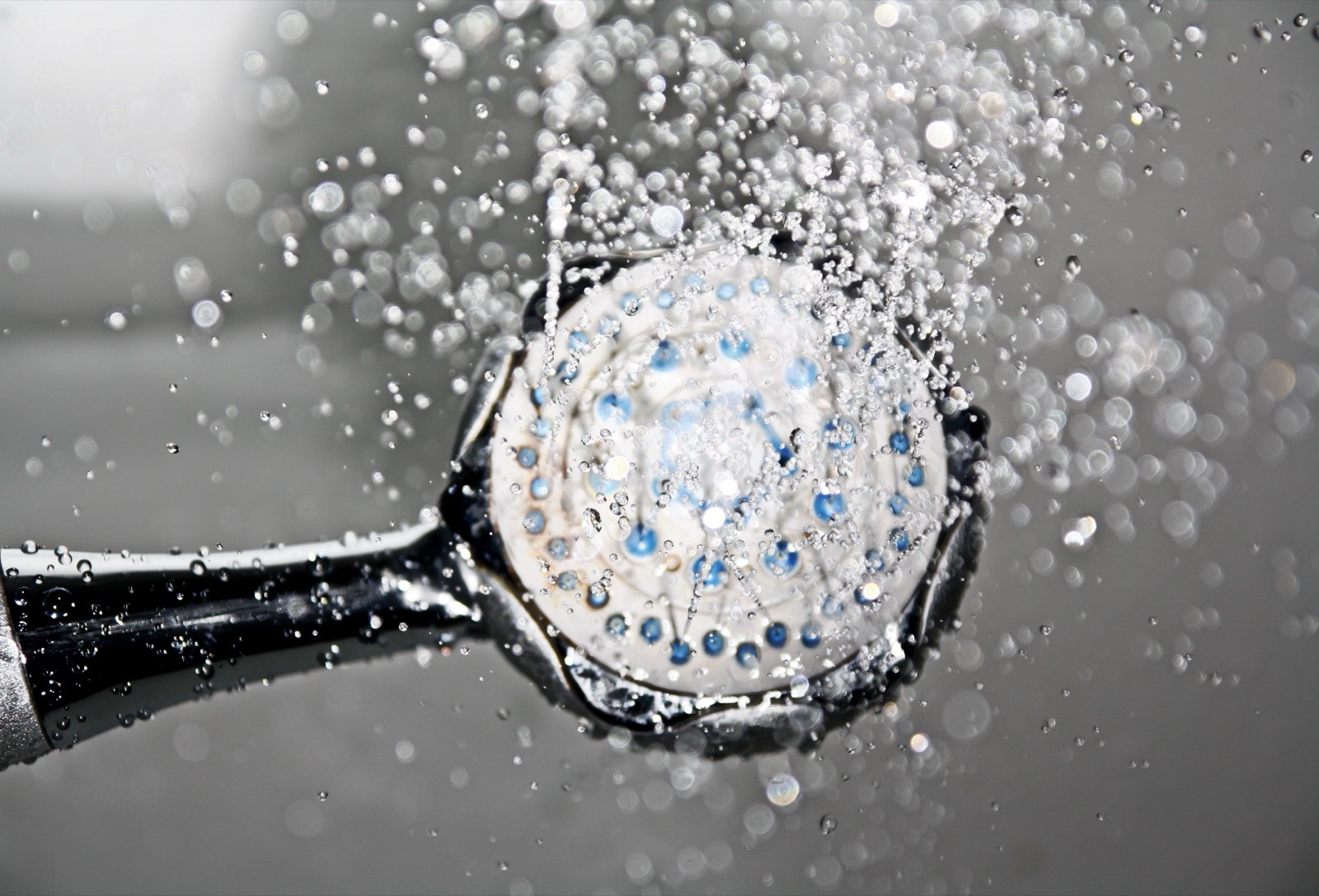
Pseudomonas builds up in shower heads and hoses and forms a biofilm. A standard Legionella test does not pick it up.

Fixed annual testing interval

As a public facility, the annual testing interval under the TrinkwV applies and may not be extended. In addition, the KRINKO recommendations and stricter documentation apply.

Daily hospital life

Water hygiene in daily hospital life

In a hospital, water hygiene is part of patient safety. Rarely used showers are exactly where Legionella and Pseudomonas can take hold, so Aqvior flushes them automatically and keeps the complete, gapless documentation of every flush, audit-ready for your infection-control management.

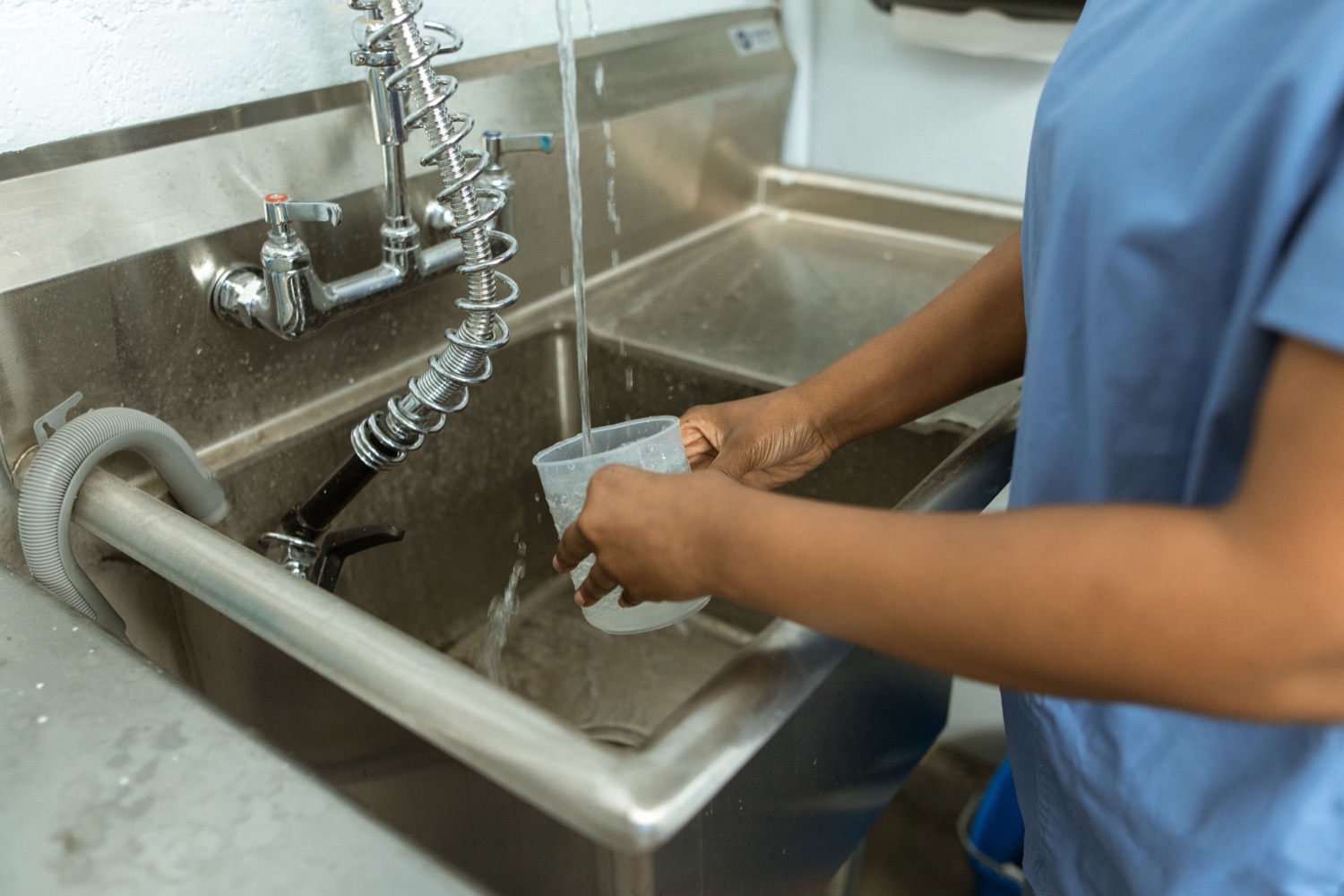
Water sample being taken at a tap in a hospital
Water sample at the tap
Doctors' round in the hospital
Doctors' round and hygiene checks
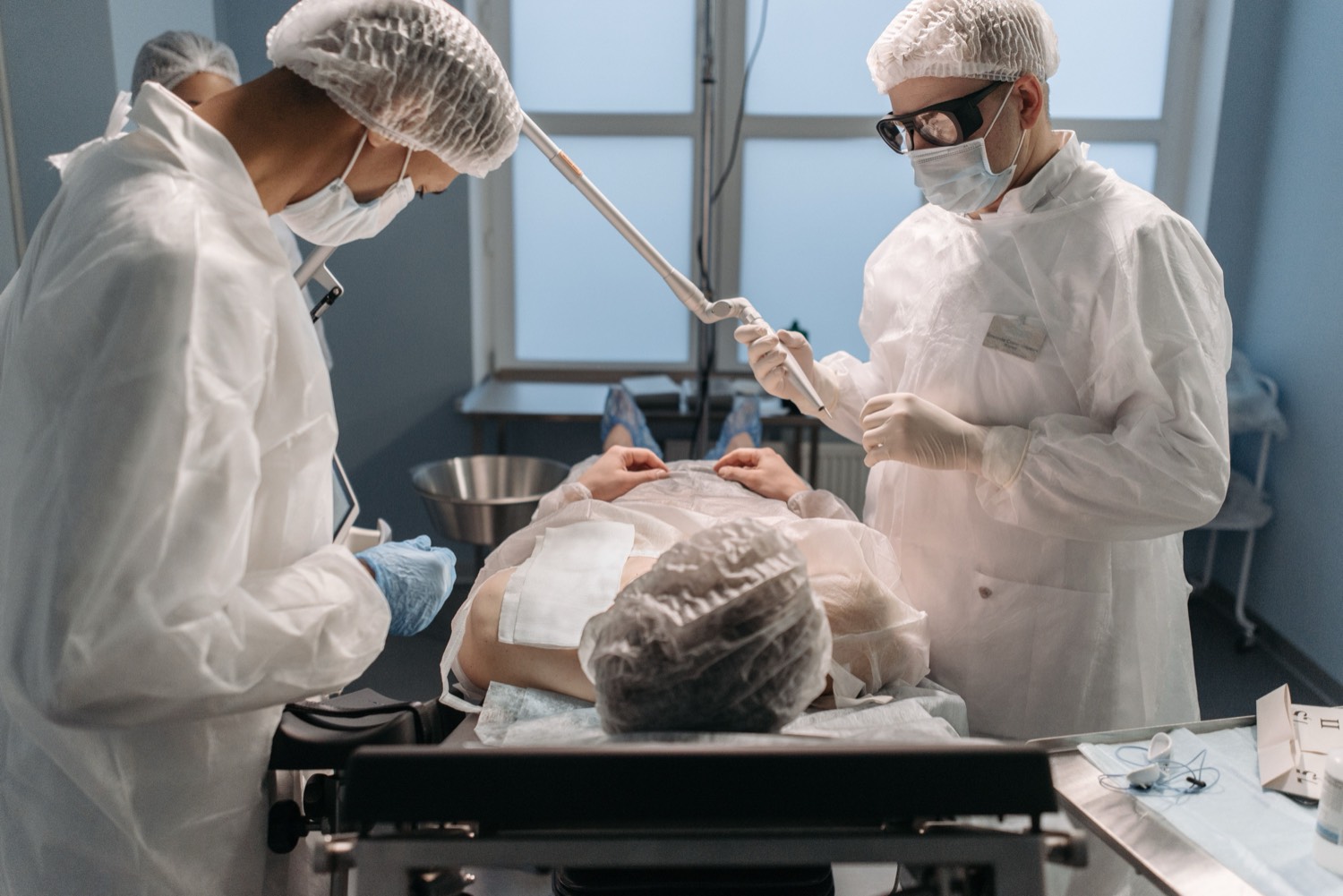
Operating area with high hygiene requirements
Sensitive operating areas
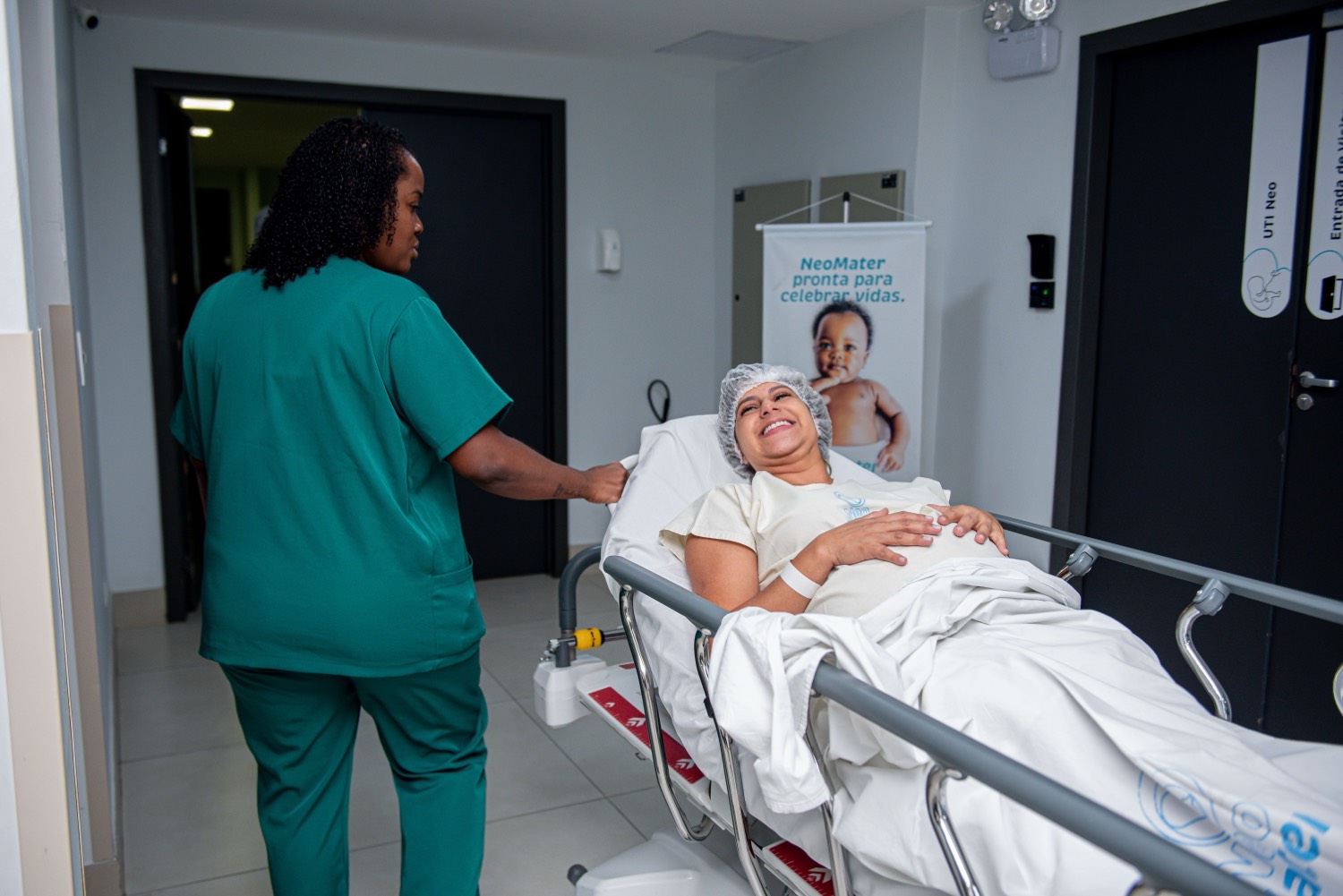
Patient transport in the hospital
Patient transport

Operator obligations in hospitals

Hospitals are subject to the German Drinking Water Ordinance, with an annual testing interval under TrinkwV § 31 that may not be extended. In addition, the KRINKO recommendations apply, with stricter documentation.

Testing intervals in detail →

Pseudomonas and critical pathogens

Pseudomonas aeruginosa builds up in shower heads and hoses. It is dangerous for immunosuppressed patients, and a standard Legionella test does not pick it up.

Pseudomonas in drinking water →

Legionella risk to patients

Legionella grows in standing warm water and drifts through the shower as a respirable aerosol. Breathed in, it can cause a severe pneumonia.

Symptoms and course →
How it works

How Aqvior works in your hospital

1

Detects

Detects rarely used showers, for example in isolation rooms, on-call rooms or seasonally used rooms.

2

Flushes

After 72 hours it flushes on its own. It powers itself via a turbine in the water flow, needs no power connection and no bathroom renovation.

3

Documents

Every flush lands in the dashboard with a timestamp. Audit-ready and easy to slot into your existing infection-control management with no extra effort.

Explore the product →
Frequently asked questions

What hospital operators often ask

For facilities with an increased infection risk, an annual testing interval at a representative number of outlets usually applies. The local health authority can order shorter intervals.

No. Testing under Section 31 TrinkwV targets Legionella spec. Pseudomonas aeruginosa requires its own sampling, which is arranged separately in high-risk areas such as intensive care units and transplant units.

Rarely used outlets in areas with vulnerable patients: isolation rooms, temporarily closed units, on-call and staff showers. That is where the longest stagnation meets the highest infection risk.

The fitting is surface-mounted, with no chasing work and no changes to the pipework. A bathroom is retrofitted in under an hour, so the retrofit can be done unit by unit during ongoing operation.

Pilot project

Water hygiene for your hospital,
test it for free

Aqvior flushes rarely used showers automatically and documents every flush in an audit-ready way.

Safety for your patients, with no extra work for your team.

Request a pilot →